
If you are working on your website’s search rankings, you have probably heard these two concepts: On-Page SEO and Off-Page SEO. Although they may sound technical, they are easier to understand than they seem. The first refers to what you can do inside your website to improve rankings; the second refers to what happens outside your website, but still influences how Google sees you.
Both are equally important. It is not about choosing one over the other, but combining them intelligently. In this article, we explain the differences between On-Page and Off-Page SEO, how to apply them in 2026, and what to consider so you do not fall behind in the search engines.
What On-Page SEO is and how it is applied in 2026
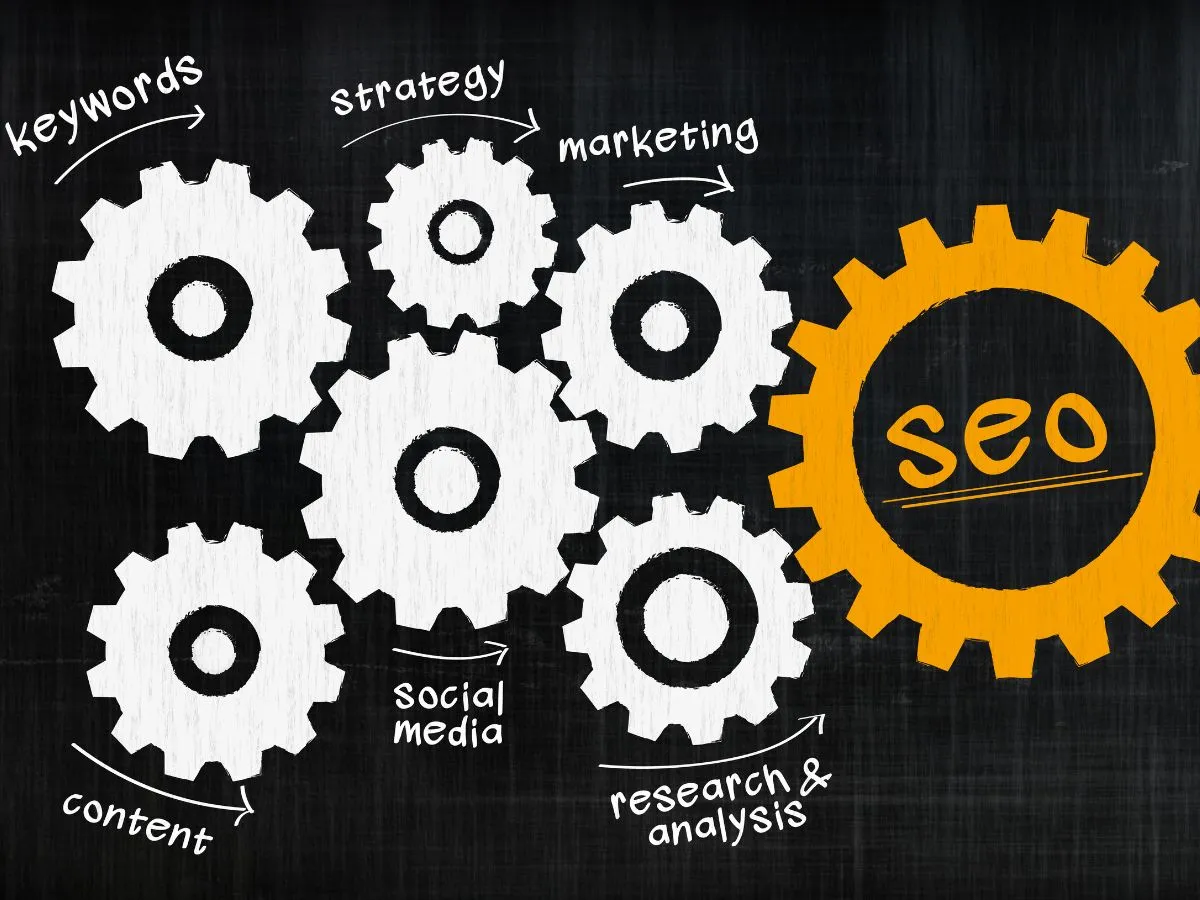
On-Page SEO covers all the optimizations you can make inside your website so Google can understand what it is about and show it to the right people. From content to technical aspects, everything matters. In 2026, this type of SEO has evolved and goes far beyond adding keywords.
Semantic content optimization
Repeating exact-match keywords is no longer enough. Google now understands natural language, so what matters is covering the topic in depth, with clear, useful content that answers all the user’s questions. It is essential to use related keywords and cover the full search intent.
For example, if your keyword is On-Page and Off-Page SEO, make sure you explain both concepts, compare their differences, and provide real examples of how to apply them.
Essential technical factors in On-Page SEO
In addition to content, there are technical elements you need to take care of:
- Unique title tags and meta descriptions
- Well-structured H1, H2, and H3 headings
- Clean, user-friendly URLs
- Optimized images with ALT text
- Loading speed (Core Web Vitals)
- Responsive design for mobile
Aspects such as loading speed, site structure, and indexing are the essential foundation that allows Google to crawl and understand your website correctly.
If you want to go deeper into these technical aspects and understand how they really affect rankings, we recommend reviewing our article on what technical SEO is, where all the factors that influence a website’s performance are explained in detail.
What Off-Page SEO is and why it matters so much
Off-Page SEO is the set of actions you carry out outside your website to improve your authority, reputation, and visibility. In other words, these are external signals that tell Google your content is valuable and deserves to be recommended.
Link building and domain authority
The main pillar of Off-Page SEO is still link building. Getting quality links from other relevant websites remains one of the most effective ways to climb positions in Google. But in 2026, not just any link will do: it must come from a trustworthy site, with related content and real traffic.
The goal is for other websites to say: “this content deserves to be cited.” That multiplies your domain authority.
You need to be careful here. If these links are handled poorly, they can even harm your rankings, which is why it is important to apply good link building strategies based on quality and naturalness.
Mentions, reviews, and social signals
Today, Google also values unlinked mentions, positive reviews on external sites, and visibility on social media. All this is part of Off-Page SEO, because it improves the perception of your brand and increases your visibility.
An article shared by an influencer, a good Google Business review, or a mention in a specialist forum are strong signals that support your strategy.
Differences between On-Page SEO and Off-Page SEO
Although they work together, the differences between On-Page and Off-Page SEO are clear, and understanding them is essential to applying each one correctly.
Place of action: inside vs outside
On-Page SEO is worked on inside your website: you control what you write, how you structure pages, how you load images, and how fast everything loads.
Off-Page SEO depends on external actions, such as the links you receive or how other sites mention you. Here you do not have full control, but you can influence it with a good strategy.
Objective: content vs reputation
On-Page SEO focuses on making Google understand your content and see it as relevant.
Off-Page SEO is about trust: do other sites recommend you? Is your content cited as a source? If the answer is yes, you are gaining authority.
On-Page SEO vs Off-Page SEO: how they complement each other
Talking about On-Page SEO vs Off-Page SEO should not be a battle. In reality, they are a team that works better when properly balanced. One prepares the ground, the other reinforces it.
Structure first, then amplify
Always start with On-Page: create a clear, fast, well-structured website with content that is worth reading. Once you have that, move on to Off-Page: get links and mentions, collaborate with other creators, and promote your content.
That way, when other websites link to you, you will not only gain authority, but the users who arrive will also find real value.
Holistic SEO: the modern view in 2026
In 2026, the trend is to work on SEO as a whole. On-Page and Off-Page are no longer separated so much; the goal is to create a complete experience, from the content you offer to how the digital environment perceives you.
Content that solves a specific search, loads quickly, is well structured, and receives natural links has a better chance of ranking than anything else.
Frequently asked questions about On-Page and Off-Page SEO
Which part of SEO should I work on first?
Start with On-Page SEO. It is the only part that depends 100% on you. Then, when your website is well optimized, move on to Off-Page SEO.
How do I get quality links?
Create useful content, contact related websites, offer collaborations, take part in interviews or podcasts, and publish as a guest author.
Do social media networks influence SEO?
Not directly, but they generate visibility and traffic. This can lead to mentions or links that do affect SEO.
Which tools help me measure On-Page and Off-Page SEO?
Google Search Console, Ahrefs, SEMrush, Screaming Frog, and backlink analysis tools such as Majestic.
Can I rank without backlinks?
Yes, but it is more difficult. Good On-Page SEO can achieve results, but external links remain a key factor for competing in highly contested niches.


